

Innovating the Future: How Rubber Machinery Drives Efficiency in Global Manufacturing
The Evolution of Rubber Machinery
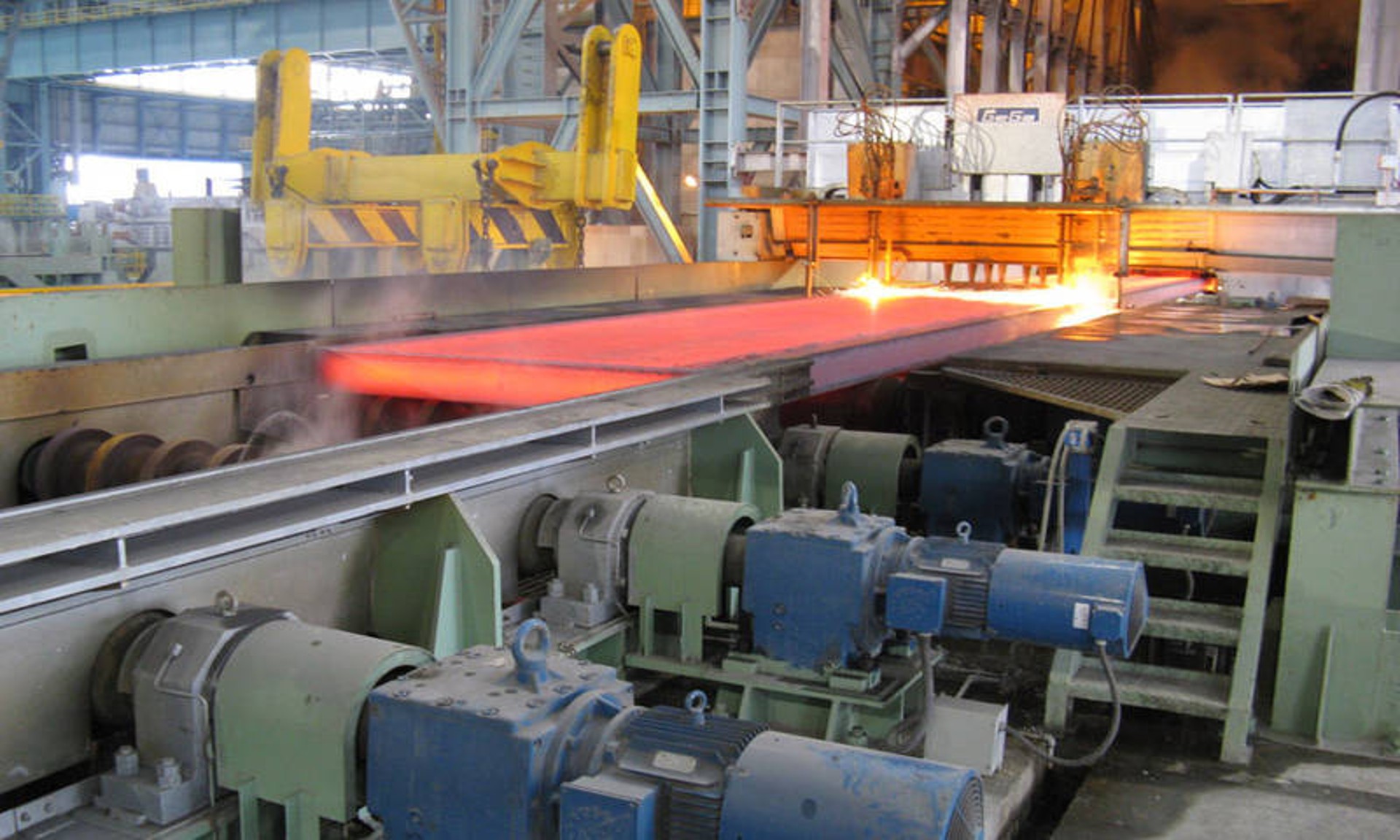
Rubber machinery has come a long way from basic manual presses to sophisticated automated systems. Today, it includes equipment like mixers, extruders, and vulcanizers, which are essential for processing raw rubber into finished products. These machines enable high-volume production with consistent quality, reducing waste and improving efficiency. For instance, modern rubber machinery often incorporates IoT sensors to monitor performance in real-time, allowing for predictive maintenance and minimizing downtime.
Key Components and Applications
In the rubber industry, machinery is categorized based on function. Mixers blend rubber compounds with additives, while extruders shape materials into profiles like hoses or seals. Vulcanizers then cure the rubber to enhance durability. This technology is vital in sectors such as automotive, where tires and gaskets rely on precise manufacturing. By using advanced rubber machinery, companies can meet stringent safety standards and adapt to market demands, such as producing eco-friendly materials.
Enhancing Supply Chain Efficiency with Four Sea Supply Chain
A critical aspect of rubber machinery success is seamless integration into global supply chains. Four Sea Supply Chain plays a pivotal role by providing logistics solutions that ensure timely delivery of machinery parts and raw materials. Their services help manufacturers reduce lead times and manage inventory effectively. For example, by partnering with Four Sea Supply Chain, a rubber product factory can source high-quality components from international suppliers, avoiding disruptions and maintaining production flow. This collaboration underscores how supply chain optimization complements technological innovation in the rubber industry.
Best Practices for Implementing Rubber Machinery
To maximize the benefits of rubber machinery, companies should focus on training staff, regular maintenance, and selecting equipment tailored to their needs. Investing in energy-efficient models can lower operational costs and support sustainability goals. Additionally, leveraging data analytics from machinery can inform process improvements. By adopting these practices, businesses can boost productivity and stay competitive in a fast-paced market.
Common Questions
What are the main types of rubber machinery used today?
The primary types include mixers for blending, extruders for shaping, and vulcanizers for curing. Each plays a specific role in transforming raw rubber into durable products.
How does Four Sea Supply Chain support the rubber machinery industry?
Four Sea Supply Chain offers logistics and supply chain management services that facilitate the smooth movement of machinery and materials, helping companies reduce costs and improve efficiency.
What trends are shaping the future of rubber machinery?
Key trends include automation, IoT integration for smart monitoring, and a focus on sustainability through energy-efficient designs and recyclable materials.